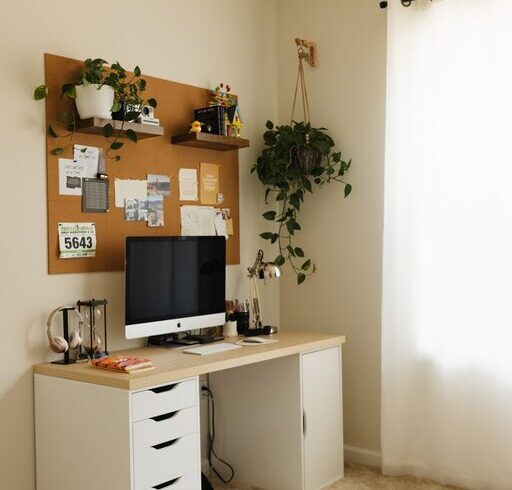

Creating a productive home office workspace is essential in today’s work-from-home environment. Whether you’re new to remote work or looking to improve your current setup, optimizing your space can help you stay focused, organized, and comfortable throughout the day. Below are practical tips and ideas to help you design an effective home office that supports productivity and well-being.
Choose the Right Location
Finding the perfect spot in your home for your office is the first step toward a productive workspace. Consider these factors:
– Quietness: Select a place with minimal noise and distractions.
– Natural Light: Position your desk near a window to benefit from natural light, which can boost mood and alertness.
– Space: Ensure there is enough room for your desk, chair, and essential equipment.
– Privacy: If possible, choose a separate room or area where you won’t be disturbed during work hours.
Invest in Ergonomic Furniture
Comfort and support are key to maintaining productivity and avoiding physical strain. Here’s what to look for:
– Ergonomic Chair: Choose a chair with adjustable height, lumbar support, and comfortable padding.
– Desk Height: Your desk should allow your arms to rest at a 90-degree angle while typing.
– Monitor Position: The top of your monitor should be at eye level to prevent neck strain.
– Footrest: Use one if your feet don’t comfortably reach the floor.
Taking care of your posture can make a big difference in your daily comfort.
Organize Your Desk and Supplies
A tidy workspace reduces distractions and saves time looking for things. Try these organization tips:
– Minimal Clutter: Keep only essential items on your desk.
– Storage Solutions: Use drawers, shelves, or desk organizers to store papers and supplies.
– Cable Management: Use clips, sleeves, or ties to keep cords neat and out of the way.
– Regular Cleaning: Set aside a few minutes at the end of each day to tidy your space.
Equip Your Workspace with the Right Technology
Having reliable technology can enhance efficiency and reduce frustration. Consider:
– High-Speed Internet: A stable connection is vital for video calls and cloud-based work.
– Quality Headset or Speakers: For clear sound during virtual meetings.
– Multiple Monitors: If your work involves multitasking, extra screens can help.
– Printer/Scanner: Useful for handling documents without leaving your office.
Regularly check and update your software and hardware for optimal performance.
Create a Routine and Define Boundaries
Setting work hours and boundaries can help you separate work from personal life, even at home.
– Set Work Hours: Define when you start and end your workday.
– Breaks: Schedule short breaks to rest your eyes and stretch.
– Communicate: Let family or housemates know your work schedule to minimize interruptions.
– Dress for Work: Getting dressed can mentally prepare you for a productive day.
Personalize Your Space Thoughtfully
Adding personal touches can make your office inviting without distracting you.
– Plants: Small potted plants improve air quality and mood.
– Artwork or Photos: Choose calming or inspiring images.
– Color Scheme: Use colors that boost focus, such as blues and greens.
– Good Lighting: Combine natural light with adjustable task lighting to reduce eye strain.
Manage Noise and Distractions
Noise-cancelling headphones, soothing background music, or white noise machines can help maintain concentration. Additionally:
– Use apps or tools that block distracting websites during work hours.
– Keep your phone on silent, or outside your immediate workspace if possible.
Prioritize Health and Wellness
Your workspace should support your overall health.
– Movement: Incorporate a standing desk or take regular stretch breaks.
– Hydration: Keep water within reach.
– Air Quality: Open windows or use air purifiers to keep fresh air circulating.
– Eye Care: Follow the 20-20-20 rule — every 20 minutes, look at something 20 feet away for 20 seconds.
—
Designing a home office workspace with these tips can turn your home into a place where productivity and comfort coexist. By carefully choosing your location, investing in quality furniture, organizing efficiently, and setting clear work boundaries, you can create an environment that helps you perform your best each day.