
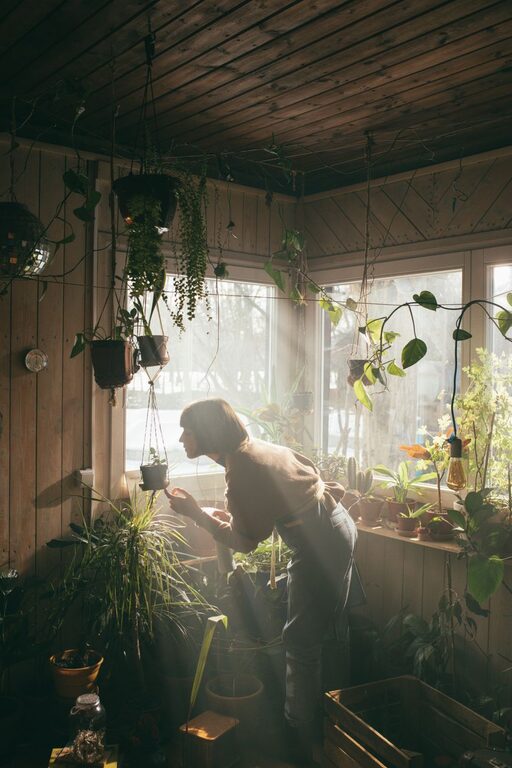
Creating an eco-friendly home doesn’t have to mean spending a fortune. Small changes in how you design, maintain, and use your living space can have a positive impact on the environment—and your wallet. Whether you’re moving into a new home or updating your current one, these budget-friendly tips can help you reduce your carbon footprint while keeping costs low.
Why Choose an Eco-Friendly Home on a Budget?
Going green often feels like an expensive choice, but many eco-friendly solutions actually save money in the long run by reducing energy and water bills. Plus, simple changes can create a healthier living environment for you and your family. By focusing on affordable strategies, you can make your home more sustainable without breaking the bank.
Start with Energy Efficiency
Energy efficiency is one of the easiest and most effective ways to make your home eco-friendly.
Use LED Lighting
Switching from traditional incandescent bulbs to LED bulbs can reduce energy use by up to 80%. LED bulbs last longer and use less electricity, saving you money on your utility bills.
Seal Windows and Doors
Check for drafts around windows and doors and seal gaps with weatherstripping or caulk. This helps keep warm or cool air inside, lowering your heating and cooling costs.
Opt for Energy-Efficient Appliances
When it’s time to replace appliances, look for Energy Star-certified models. These are designed to use less electricity and water. Even used or refurbished energy-efficient appliances can be a budget-friendly option.
Choose Sustainable and Recycled Materials
When renovating or decorating, consider sustainable or recycled materials that have a lower environmental impact.
Repurpose and Upcycle
Before buying new furniture or decor, try repurposing items you already have or visit thrift stores and online marketplaces for affordable secondhand pieces. Upcycling projects can refresh old furniture with some paint or new hardware.
Use Eco-Friendly Paints
Pick low-VOC (volatile organic compound) or zero-VOC paints to reduce indoor air pollution. These paints are healthier for your family and the planet.
Bamboo and Cork Flooring
If you plan to replace floors, bamboo and cork are renewable materials that tend to be reasonably priced. They’re durable, natural, and add warmth to your home.
Reduce Water Usage
Conserving water lowers your utility bills and helps protect local water resources.
Install Low-Flow Fixtures
Low-flow showerheads and faucets reduce water use without sacrificing performance. They are inexpensive and easy to install yourself.
Fix Leaks Promptly
A small drip can waste gallons of water per day. Check for leaks under sinks, toilets, and outdoor faucets regularly and fix them quickly.
Collect Rainwater
Place rain barrels under downspouts to capture rainwater for watering your garden. This reduces reliance on tap water and is great for plants.
Practice Waste Reduction and Recycling
Reducing the waste you generate helps the environment and can save money.
Compost Kitchen Scraps
Start a simple compost bin for fruit and vegetable scraps, coffee grounds, and yard waste. Compost enriches your soil and reduces landfill waste.
Use Reusable Products
Opt for cloth towels instead of paper, reusable shopping bags, and containers instead of single-use plastics to reduce daily waste.
Organize Recycling Properly
Set up clear bins for recycling common materials like paper, glass, and plastics. Check local guidelines to recycle correctly and avoid contamination.
Incorporate Natural Lighting and Ventilation
These simple design choices improve comfort and reduce energy use.
Maximize Daylight
Arrange furniture to take advantage of natural light and keep windows clear of heavy drapes. This reduces the need for artificial lighting during the day.
Cross-Ventilation
Open windows on opposite sides of a room to allow fresh air to flow through, cooling your home naturally without air conditioning.
Grow Your Own Plants and Garden
Indoor plants and outdoor gardens add beauty while contributing to better air quality and reduced food miles.
Start Small Indoors
Easy-to-care-for houseplants like spider plants or pothos improve indoor air quality and require little investment.
Mini Garden or Herb Planters
Grow herbs on a sunny windowsill to add fresh flavors to meals and reduce packaging waste.
Community Gardens and Shared Spaces
If outdoor space is limited, consider joining a community garden to grow your own produce affordably.
Final Thoughts: Green Living Is a Journey
Creating an eco-friendly home on a budget is all about making thoughtful, manageable changes. Each step towards sustainability can make a difference, no matter how small. Focus on habits that save energy and water, recycle and reduce waste, and add natural elements to your living space. With time, these habits will become part of your lifestyle, benefiting both the environment and your home.
